
Community projects are identified and implemented by engaging closely with key stakeholders, including traditional authorities, community structures and local government departments.
The projects are not necessarily what one would expect when thinking about corporate investment. Instead, they are tailored to the real and everyday needs of the six rural impoverished communities. They are projects that make a difference in the daily lives of community members.
Click here for MCC booklet: Empowering Communities for a Brighter Tomorrow

Creating a cohesive community
 Traditional leaders play a crucial role in community development and are often the drivers behind ensuring that basic services are brought to the most rural areas in South Africa. As the recognised voice of communities, they also ensure that the needs of rural communities are heard and addressed, promoting dignity and equality in underserved areas. This is typical of the six host communities around MCC, which are served by six highly respected Magoshis who take seriously their roles within their communities.
It is a commonly known fact that our roads in South Africa need urgent repair, which is even more evident across these six communities. For the Magoshis, these conditions make it very difficult for the traditional leaders to execute their duties and to engage effectively with community members.
It was for this reason that the MCC Board approved a request to support the Magoshis by providing them with the necessary transport to fulfil their very important cultural responsibilities and traditional duties.
The Board’s Audit and Risk Committee oversaw the procurement of the vehicles and in December 2023, the six Magoshis each received a strong and reliable vehicle, equipped with the necessary safety accessories and an extended warranty and service plan to ensure the vehicles are properly maintained.
In a second phase of this initiative, a further six vehicles were purchased to support the work of the Traditional Councils.
 Very often in remote and rural communities, sport is the only extra-mural activity that brings community members together and keeps the youth occupied and away from trouble.
MCC in partnership with Avacap has, for five years running, sponsored the Diphale Zonal football and netball leagues as well as the annual knockout tournament.
 The leagues are keenly fought over nine months, with large cash prizes and trophies going to all teams that participate. The annual knockout tournament is a favourite on the local sporting calendar and brings together hundreds of young men and women who play to win the top ranked trophy in each sport.
The Diphale Zonal league is one of the largest and most popular leagues in the area and continues to grow in stature and size, with anything from 15 to 20 teams participating in each sport.
 The sponsorship covers a unique sports kit for each team and each lady participating in the netball league also receives sports shoes. Other sponsored items include training equipment, balls, equipment for the fields (such as football nets and flags), kit for the referees and, of course, the trophies and prize money.
MCC and Avacap have also provided equipment and kit as well as administrative and financial support to Gosebo United Football Club, a local team that until recently played in the Hollywoodbets Regional League where 18 teams play in a league in each region and the top two teams are promoted to the SAFA Second Division. They have now moved on to the Limpopo ABC Motsepe league.
 MCC supported a mass community prayer event at the Mohlala-Morudi Secondary School shortly before the end of 2024. The event brought together religious and community leaders as well as community members from the six host communities to pray for peace and harmony within the communities so that past incidents of infighting would never be repeated. In line with African tradition, and in celebration of this event, a cow was slaughtered, and trees were planted as symbols of peace and reconciliation.
Also in December 2024, community members from all six host communities came together for a Reconciliation Day celebration that highlighted how communities can work together to overcome seemingly insurmountable challenges towards achieving peace and stability. The singing, dancing and festivities that took place at the Kalane Sports Ground had a very clear purpose: to bring together the community members to celebrate social cohesion within the communities and acknowledge the considerable effort of everyone, working together, to achieve a unity that did not seem possible in recent times.
Education

 MCC donated school bags, school shoes and calculators to just over 1 000 learners from our six host communities.
The Kesaoboka Foundation, an organisation that works in and uplifts local communities through a variety of developmental projects, worked with MCC to facilitate the donation of the much-needed items to learners. The donation of school resources not only offers practical help to the families who would otherwise not be able to afford these items but also helps to foster a sense of confidence for the learners when they are among their peers.
At the handover event, learners and educators expressed their gratitude to MCC and the Kesaoboka Foundation for the initiative which would empower learners to do well in school.
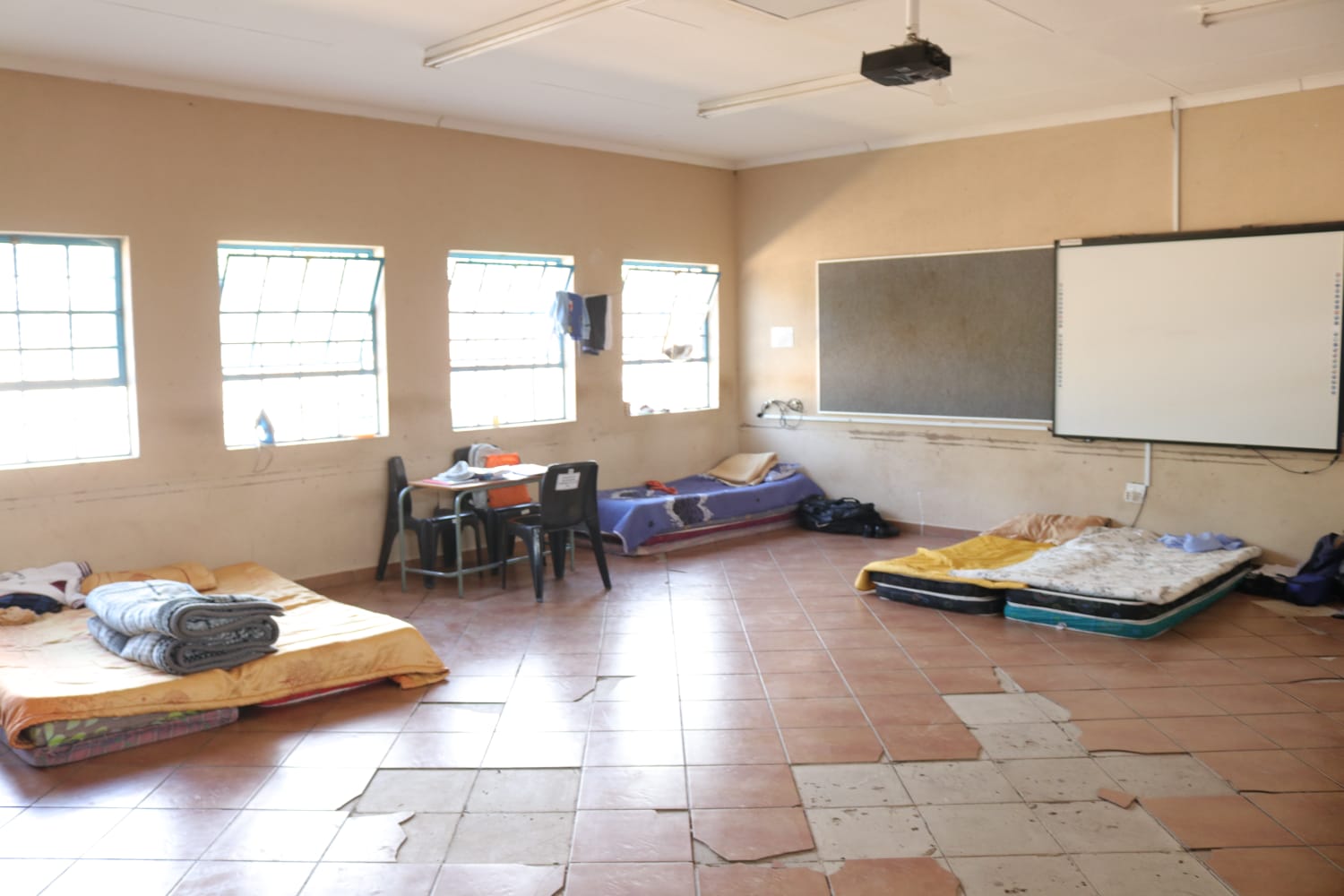
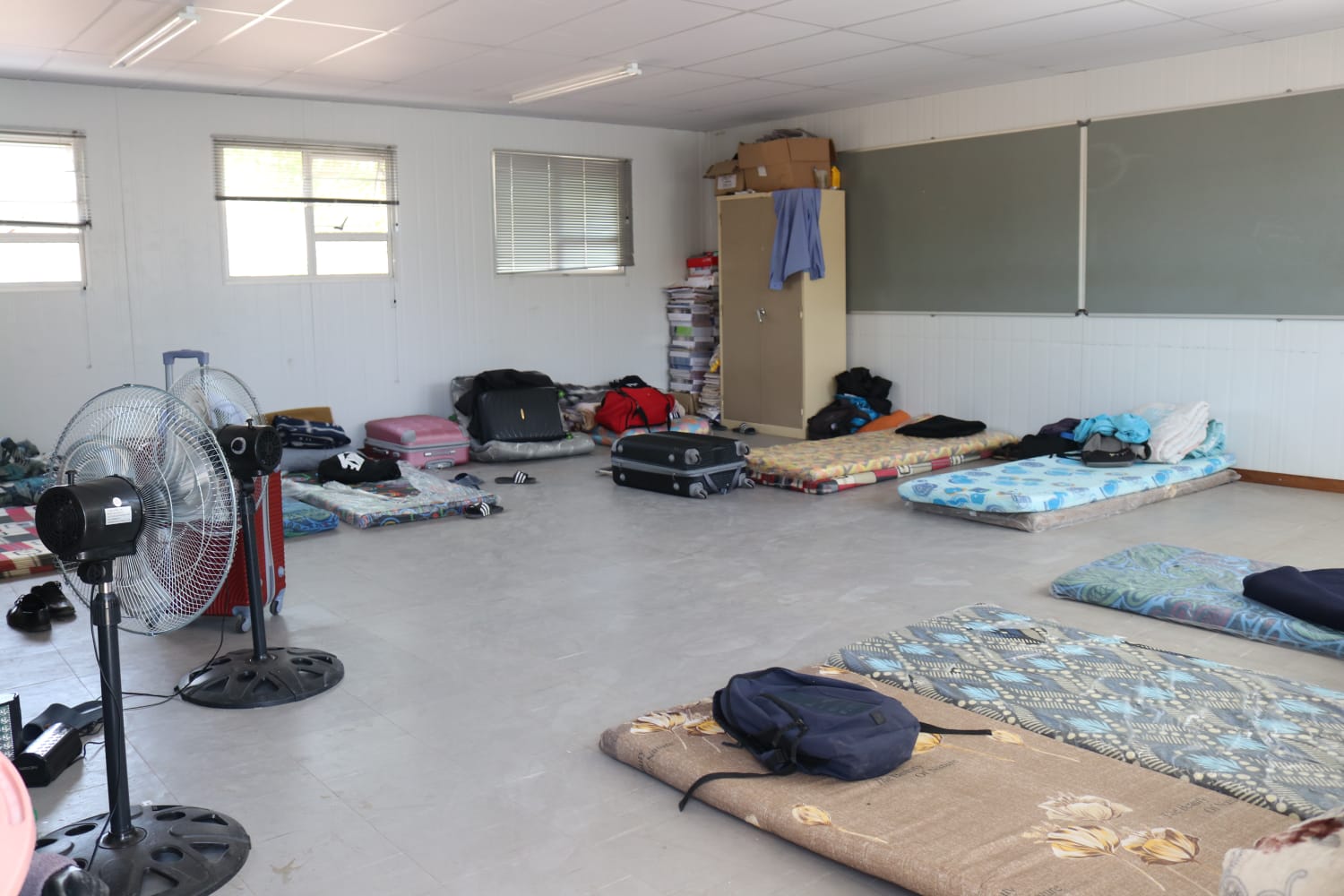 Over 360 matric learners from six secondary schools across the Four Farms attended critical matric camps funded by MCC.
These final-year learners from the Makgamathu, Mohlalamorudi, Makopi, Mokwadibe, Mosedi and Dihlabakela Secondary Schools received an added boost as they prepared to sit for the 2024 final matric examinations, hopefully to improve their chances of being accepted into higher education institutions.
This was the second year that the matric camps were arranged for local matriculants, based on the success of the 2023 year, and working with other stakeholders, MCC was able to extend the support provided to the learners.
The matric camps provided a safe, boarding school type (live-in) environment, which was conducive for focused learning, avoiding any social issues which could distract learners during this important time. During the camp, learners received extra lessons to help reinforce their understanding of key subjects. They also had opportunities to study in groups, allowing them to collaborate and support one another. Moreover, the camps offered personalised attention for each learner’s specific needs, ensuring that everyone got the support they required.
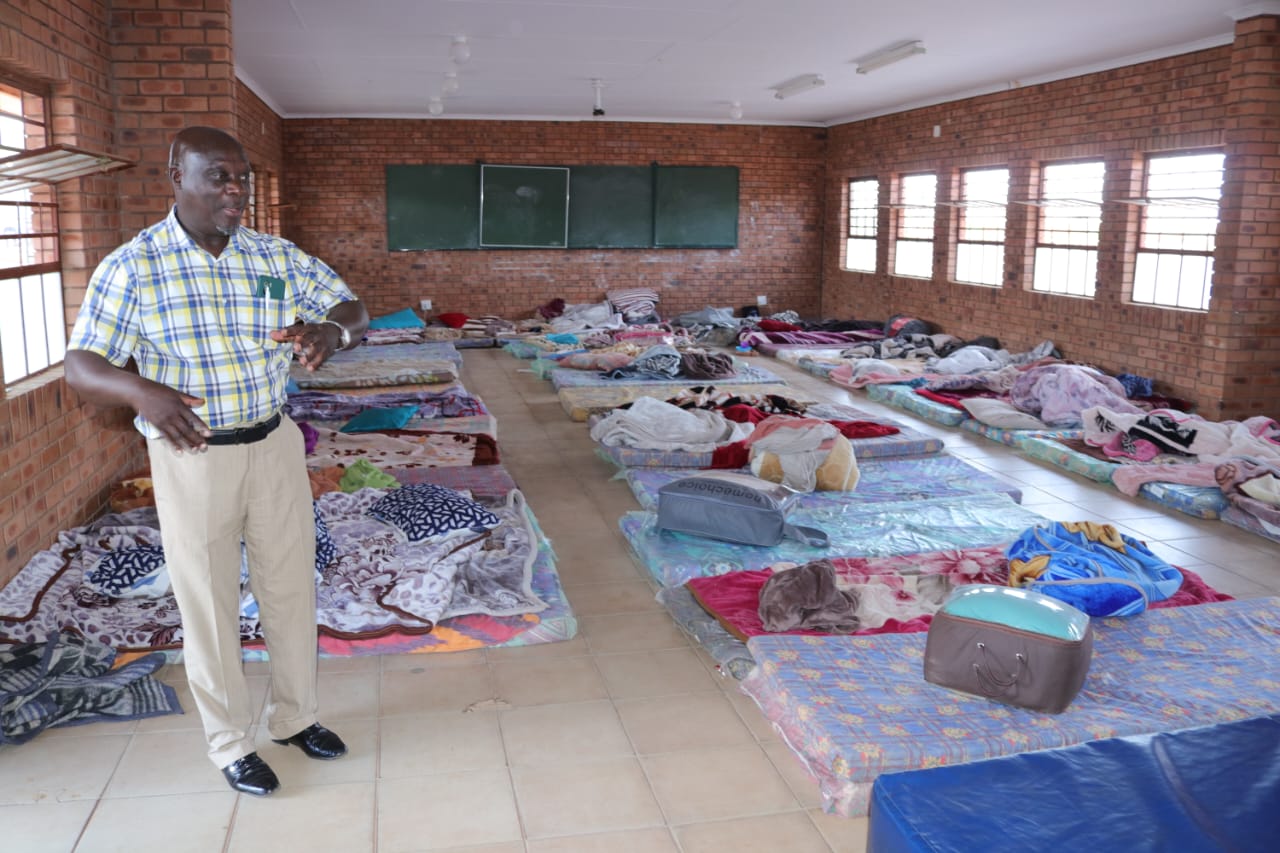 The sponsorship from MCC also covered the cost of food, toiletries and stationery for learners, stipends for tutors, teachers and other staff, such as cleaners and security.
This support demonstrates the importance of the involvement of local businesses in community development. The contribution by MCC reflects a commitment to enhancing educational outcomes for the learners, giving them the tools and resources necessary to succeed.
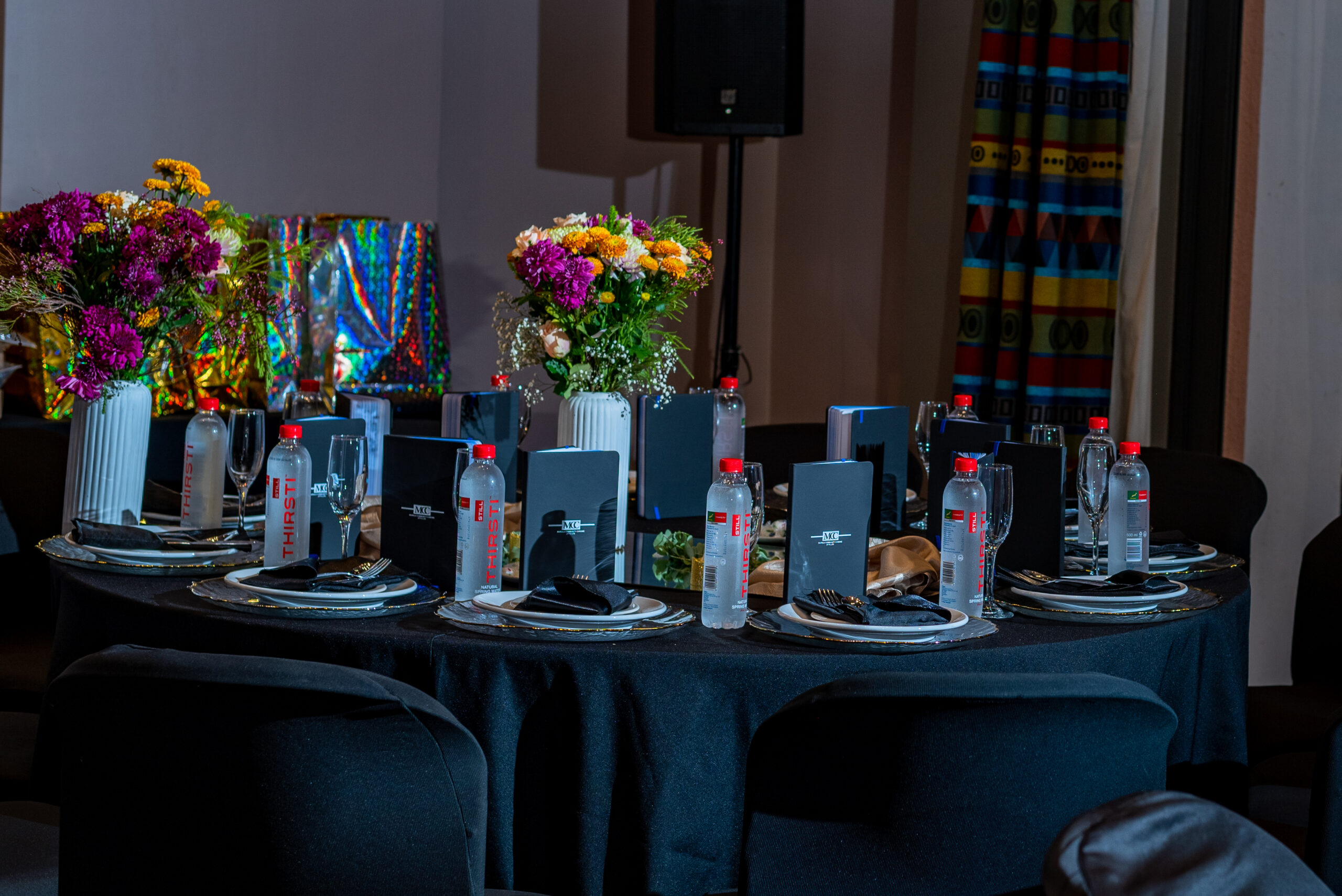
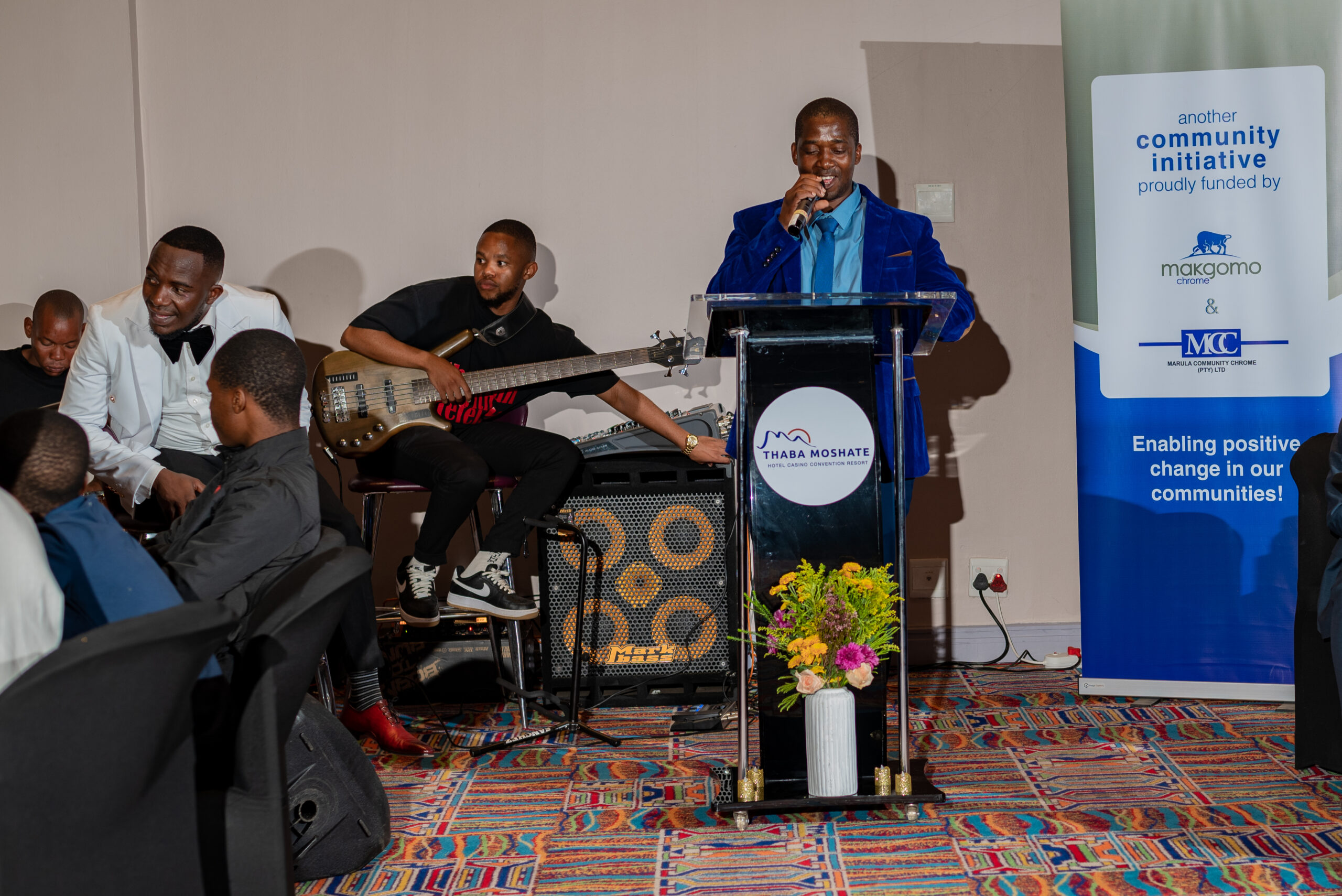 Education is transformative in rural areas because it plays a critical role in ensuring equal opportunities and in building successful, vibrant communities, and it is for this reason that the developmental work of MCC has a strong focus on education.
The Marula Community Chrome Bursary Programme aims to provide much-needed financial assistance to learners from the six communities who demonstrated academic excellence in their matric year and who would not be able to take their studies further without the support.
In 2025, seven deserving students received bursaries from MCC to ensure that they can continue their studies at tertiary institutions in pursuit of their careers of choice.
The Bursary Programme is a natural extension of the support offered to the 2024 matric learners who attended matric camps sponsored by MCC in preparation for their final exams at the end of last year. The additional support provided to local matric learners saw a notable increase in the matric pass rate achieved in the Sekhukhune East Sub-District for 2024.
Each bursary covers tuition fees, textbooks, and other essential educational expenses, ensuring that the students can focus on their studies without financial burden. They also each received a new laptop to assist with their studies.
The students were selected according to the criteria of the Bursary Programme and with the help of the headmasters of the local high schools and traditional authorities of Makgomo Chrome’s six host communities.

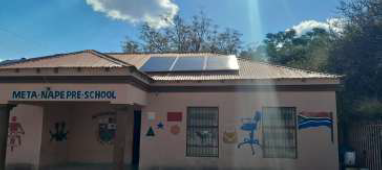 In May 2025, MCC began installing solar power systems at 29 schools and early childhood development (ECD) centres in the Four Farms area.
Across the country, communities are faced with electricity supply challenges, but these are often more severe in rural, remote and disadvantaged communities. After extensive consultation, it became clear that the biggest impacts of regular power cuts are experienced in schools and ECD centres. Not only do they disrupt children’s learning and development and the ability of educators to prepare properly for their lessons, but they also impact school feeding schemes.
It was therefore agreed to extend this project as far as possible and 29 educational facilities — including ECD centres, primary schools and secondary schools, were identified to be recipients for the installation of solar power systems.
This initiative is more than just a power solution — it’s an investment in the futures of learners in the six local communities because, with a reliable electricity supply, they can learn without interruption and compete on equal footing. Not only does this initiative create a more stable and supportive learning environment for young learners but it also lowers energy costs for the schools and aligns with the Government’s sustainability ambitions.
The installations include solar panels, inverters, and lithium batteries, ensuring that the schools and ECD centres can continue operating during power outages. Under the plan, ECD centres (which are usually smaller in size) each receive an 8kW inverter system, 25kWh battery storage system and 17-panel solar arrays, while the primary and secondary schools are fitted with 16kW inverters, 25kWh battery storage system and 28-panel arrays.
The service provider will also carry out performance and safety testing and provide training to staff on how to operate and maintain the systems.
Skills Development
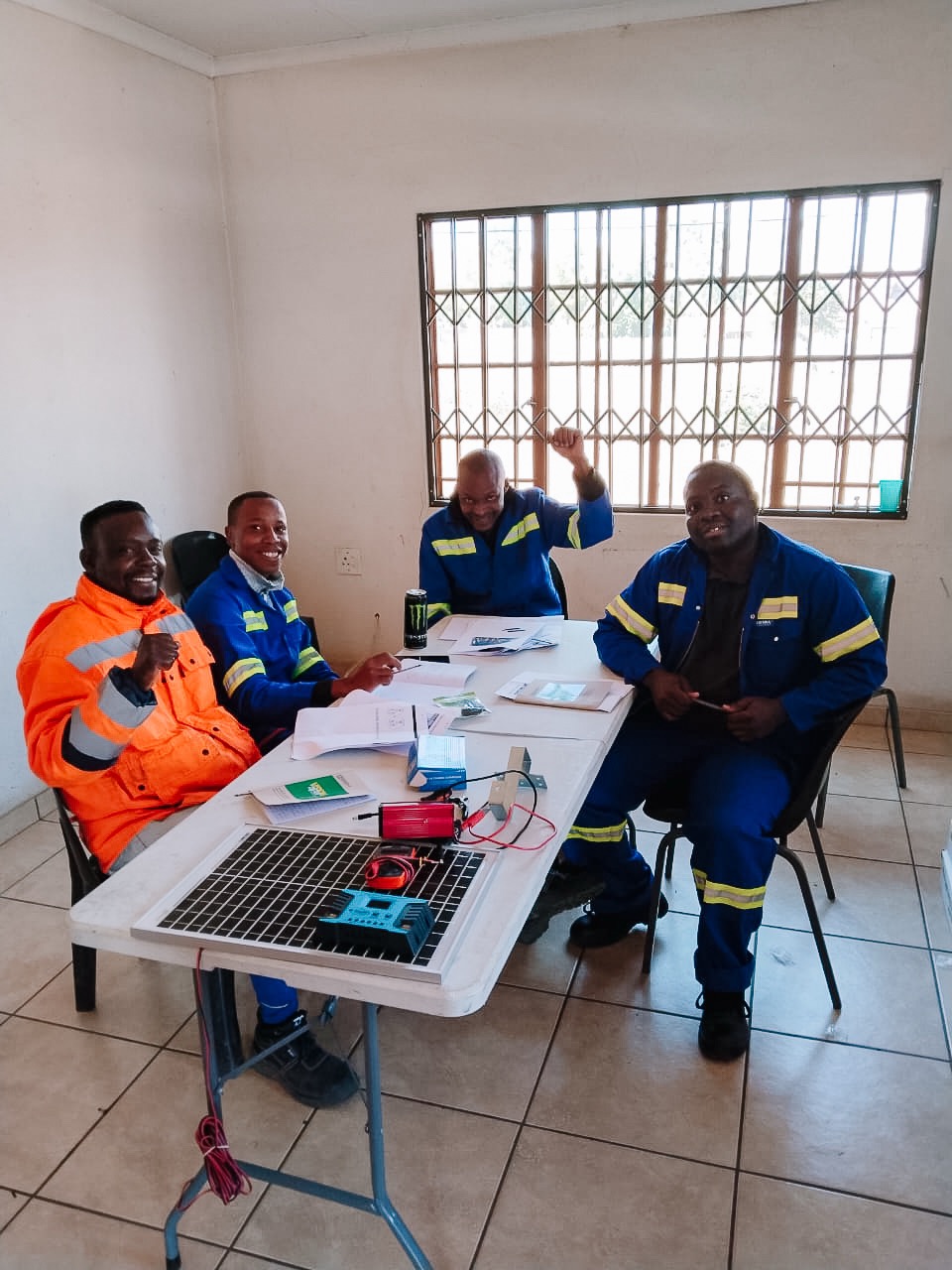 Besides creating employment opportunities for the installation of the alternative energy packs in local communities, Project Atlega has also been extended to include a training and skills development element.
Ten local community members (including three young women) have been given the opportunity to learn the knowledge and skills necessary to install and maintain the solar panels and back-up systems.
The apprentices were divided into two groups, rotating weekly between field sessions and classroom sessions. During the classroom sessions, the apprentices were trained on basic electrical and solar energy principles and demonstrated a strong willingness to learn.
On completion of the eight-week training programme. Each candidate will be reviewed by an independent team on his or her progress and by an electrical engineer who will assess technical skills. All competent candidates will then receive a certificate to affirm their participation in the training.
Overall, feedback has been positive. The apprentices shared that the training has broadened their knowledge on solar and electrical principles which could be hugely beneficial in finding jobs in this field. Some of them even expressed a desire to start their own businesses which could then be contracted to maintain the installations done for Project Atlega.
Agriculture
 Livestock farming plays a crucial role in local economies, especially in rural areas. Unfortunately, the agricultural sector across the country faces many challenges, such as extreme weather conditions, disease, theft, and feed availability and costs.
Seasonal feed availability is particularly challenging when there is little rain and intense heat, which is often the experience in the hot summer months in the Limpopo province.
As such, in consultation with the Limpopo Department of Agriculture and Rural Development, the Tubatse Local Municipality, and the local Magoshi, MCC identified an agricultural programme to support local cattle farmers in the six communities by supplying products vital to the health of their livestock.
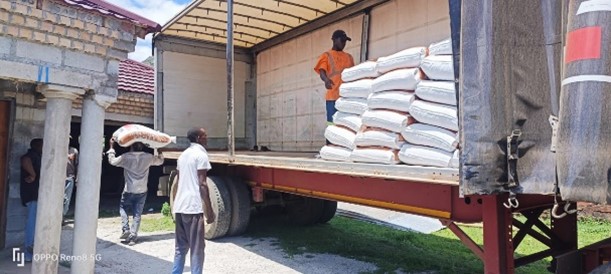 During December 2023 and January 2024, MCC procured and distributed cattle feed, dip and nutrients aimed at supporting the farmers and sustaining their source of income through the difficult times.
Cattle farming is very important because it is a source of food for families and communities, but it also is the livelihood for so many of the families living on the Four Farms, which is why the programme is aligned to the company’s commitment to drive local economic development and build self-reliance across the Four Farms.
Community upliftment
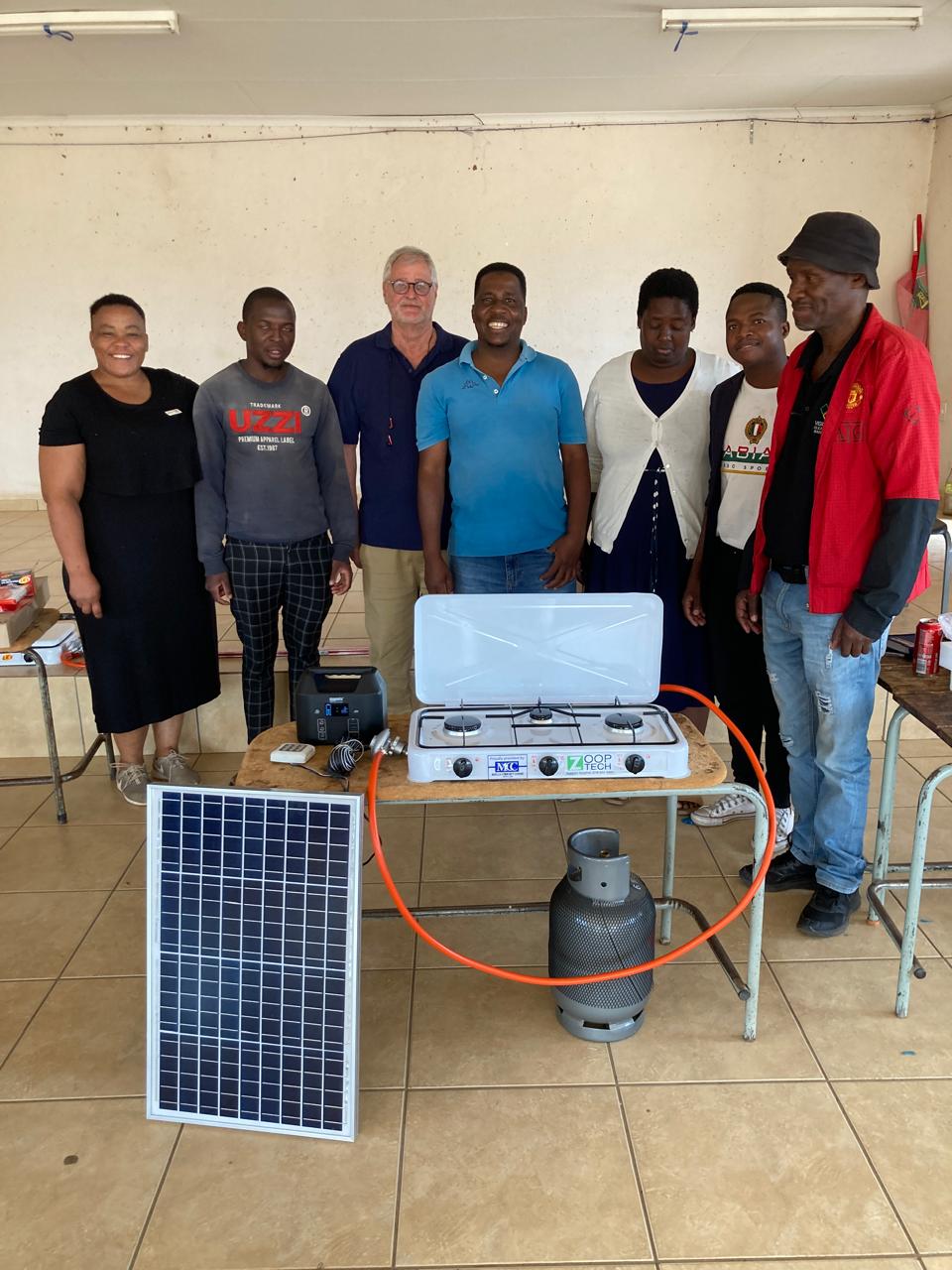 During power outages, the struggle for families to keep up with daily routines is real, especially in disadvantaged communities.
Regular disruptions to power supply mean that school children are unable to do homework at night or to use electronic equipment to study, and families cannot do household chores like cooking, washing and ironing. But unfortunately, not everyone has the means to install alternative power solutions.
Recognising this challenge, MCC worked with energy specialists to develop an alternative power solution that could easily be installed in the six local communities.
The solution was an ‘energy pack’ that includes solar panels, chargeable power backup units, LED lights, a mobile phone charger and a two-plate gas stove with a gas cylinder.
 MCC worked with the Traditional authorities in each of the six communities to identify the families who would receive the energy packs. Project Atlega is currently more than halfway through the 6th phase which, when complete, will bring the total number of homes to have received energy packs to around 4 500. It is anticipated that there will be one last phase, ensuring that a significant percentage of the homes across Four Farms will benefit from the alternative energy solution.
The project also created employment opportunities and provided skills development for local community members who have been equipped with the necessary skills to install and maintain the solar panels and back-up systems.
 Being connected is no longer a “nice-to-have” but more of a necessity as we transition to a digital world. Yet, sadly, so many people in rural and underserved communities remain separated because they cannot afford access to internet connectivity.
Work and education are increasingly more dependent on internet connections, and we can argue that our social interactions largely happen online too.
It is for this reason that MCC funded a project called “Agang Setshaba” to bring access to affordable, high-quality data to the six local communities, working with a trusted internet service provider to deploy the wi-fi hotspot solution at places where people gather. The sites were all identified after extensive consultation with community leaders and Traditional Councils within the catchment areas.
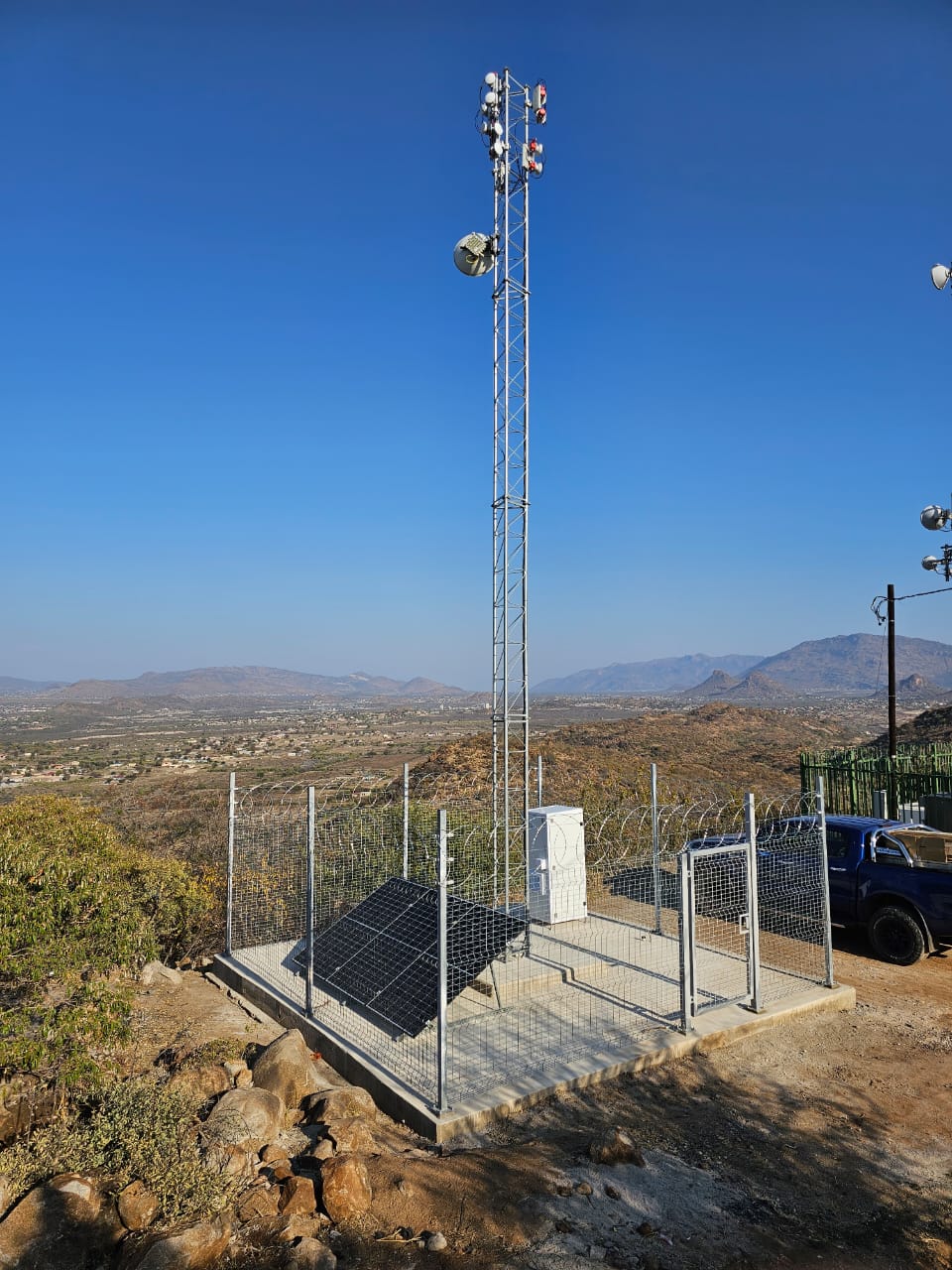 In Phase 1, the hot spots were located in six schools to provide free internet services that will assist learners with education and studying. They were also placed in small businesses next to or near to the R37 main road to facilitate broader access.
Additionally, community members were trained to install the customer premise equipment (CPE) within the communities and were paid for each installation, thereby creating jobs for community members.
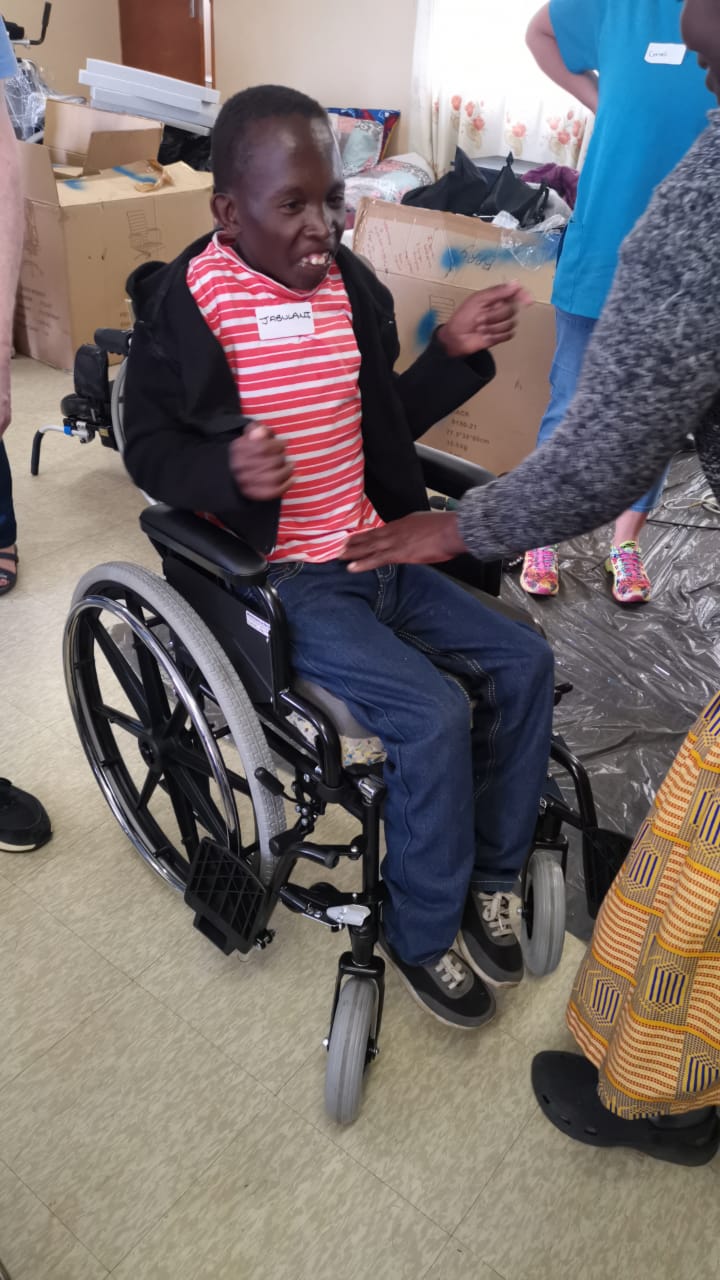
 In response to a request for funding from the Roka Mashishi Traditional Council, MCC gave a donation to purchase over 60 wheelchairs for disabled community members in Ga-Mashishi and surrounding areas. The project had two focus areas.
The Rotary Community Corps Forest Hill and the Mapotlakele Poverty Alleviation Committee identified a significant need for wheelchairs in the community, as disabled individuals who are housed with their families are often not able to interact with people or access services such as healthcare and social grants because their movement is restricted.
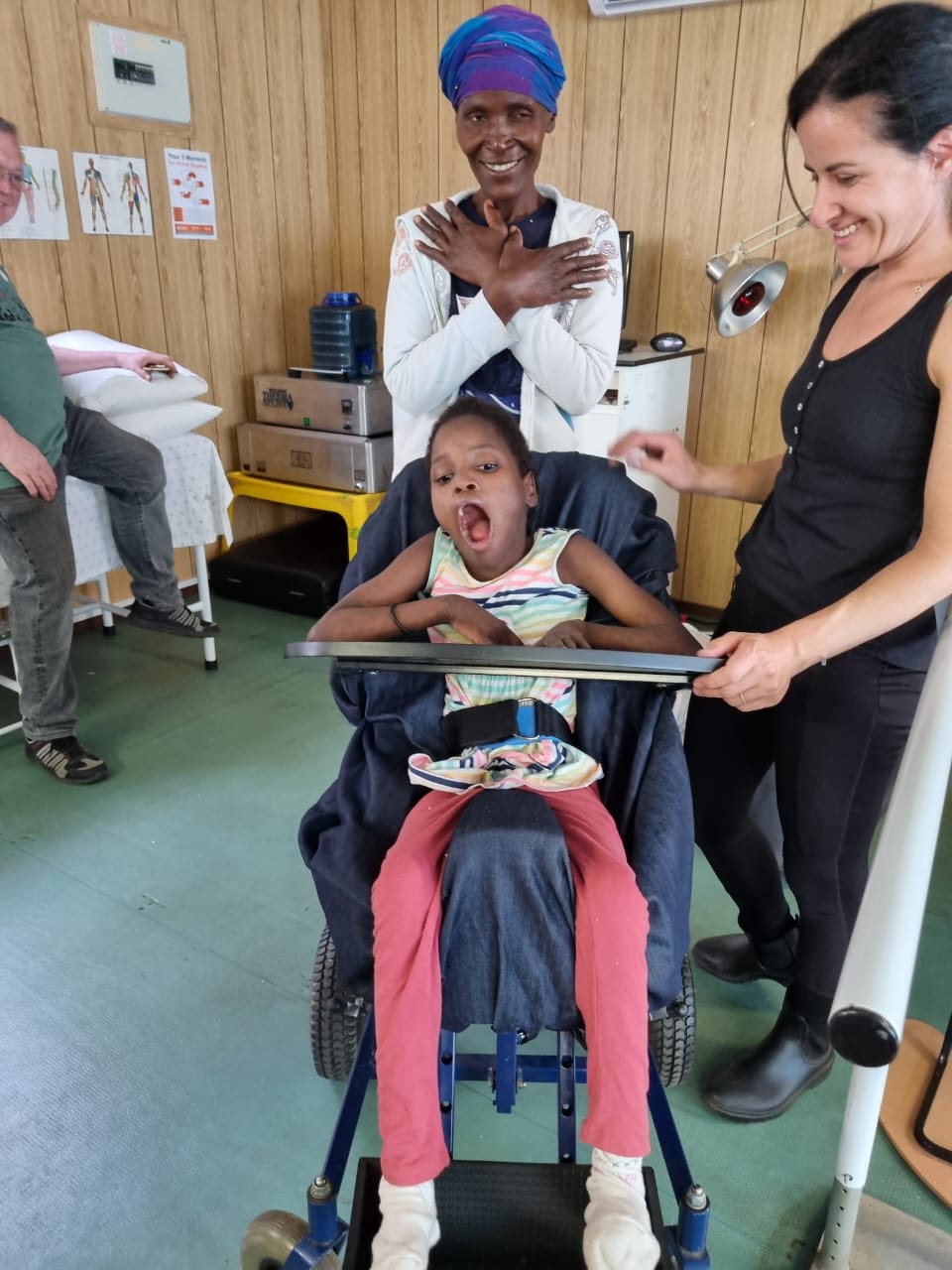
In addition, several partners – including the Rotary E-Club of Baobab, the Rotary Community Corps of Forest Hill and Boikanyo: the Dion Herson Foundation, with the support of the Limpopo Department of Health – have joined hands to implement the Sekhukhune District’s Chair’ished Children Project, which provides specialised seating for children with cerebral palsy, who require wheelchairs that are fitted and customised according to the needs of each individual child.
The customising is done with the assistance of a dedicated group of occupational therapists who ensure the functionality and comfort of the wheelchairs for the beneficiaries. Unfortunately, the cost of the specialised seating means that very few children in state healthcare will ever get one and impoverished families in rural areas are usually left to manage on their own. Through innovation and refurbishment, Boikanyo has been able to reduce the cost of each individual customised chair quite significantly so that more children can benefit and MCC was proud to be part of this uplifting project.
 The communities across the Four Farms are faced with challenges typical to under-developed areas in South Africa, including high unemployment rates, poverty, and low levels of access to the financial services to participate on a fair level in the economy.
Many South Africans are dependent on government grants as their sole means of survival, and others, the lucky few who are formally employed, must make ends meet on a relatively low income. However, we know that emergency expenses occur and cannot always be covered on a monthly income, whether that is a wage, salary, or grant, and community members will seek to loan money to cover these expenses. Sadly, in a rural area like Four Farms, there are not many formal credit providers who can provide fair and reasonable credit access, and this creates an opportunity for informal lenders who take advantage of people in vulnerable financial situations.
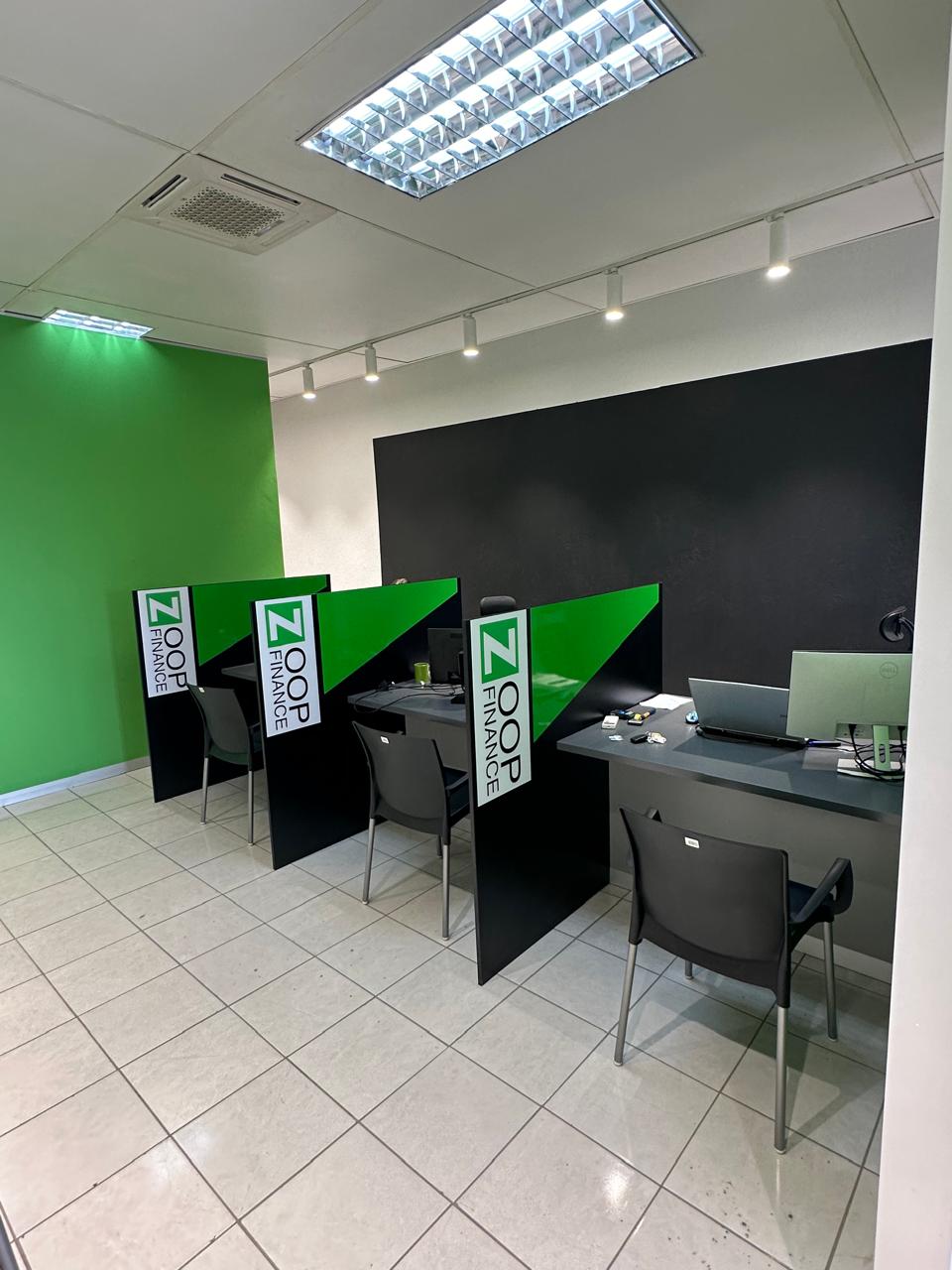
To address this critical need, MCC has partnered with Zoop, a registered financial services provider who can provide regulated access to short-term credit for community members, making sure that credit is granted in line with financial ability to avoid over indebtedness.
With a Micro Finance branch in Steelpoort, Zoop can facilitate face-to-face loan applications and also supports a network of roaming agents who can create loan applications in the field using their mobile devices. For safety and security reasons, loan pay-outs and repayments are cashless. This model has created employment opportunities in the local communities.
The Zoop Financial Services team also aims to improve credit awareness and education, ensuring enhanced financial wellness in local communities.
Since March 2023, R22.6 million has been disbursed, with 6 709 micro loans given to 2 577 unique clients.
 Small businesses play a critical role in any country because they can stimulate the economy and provide jobs. But when these small businesses are rooted in local communities, they play an even more important role by providing goods and services, generating revenue, creating employment, reducing poverty and contributing to community development.
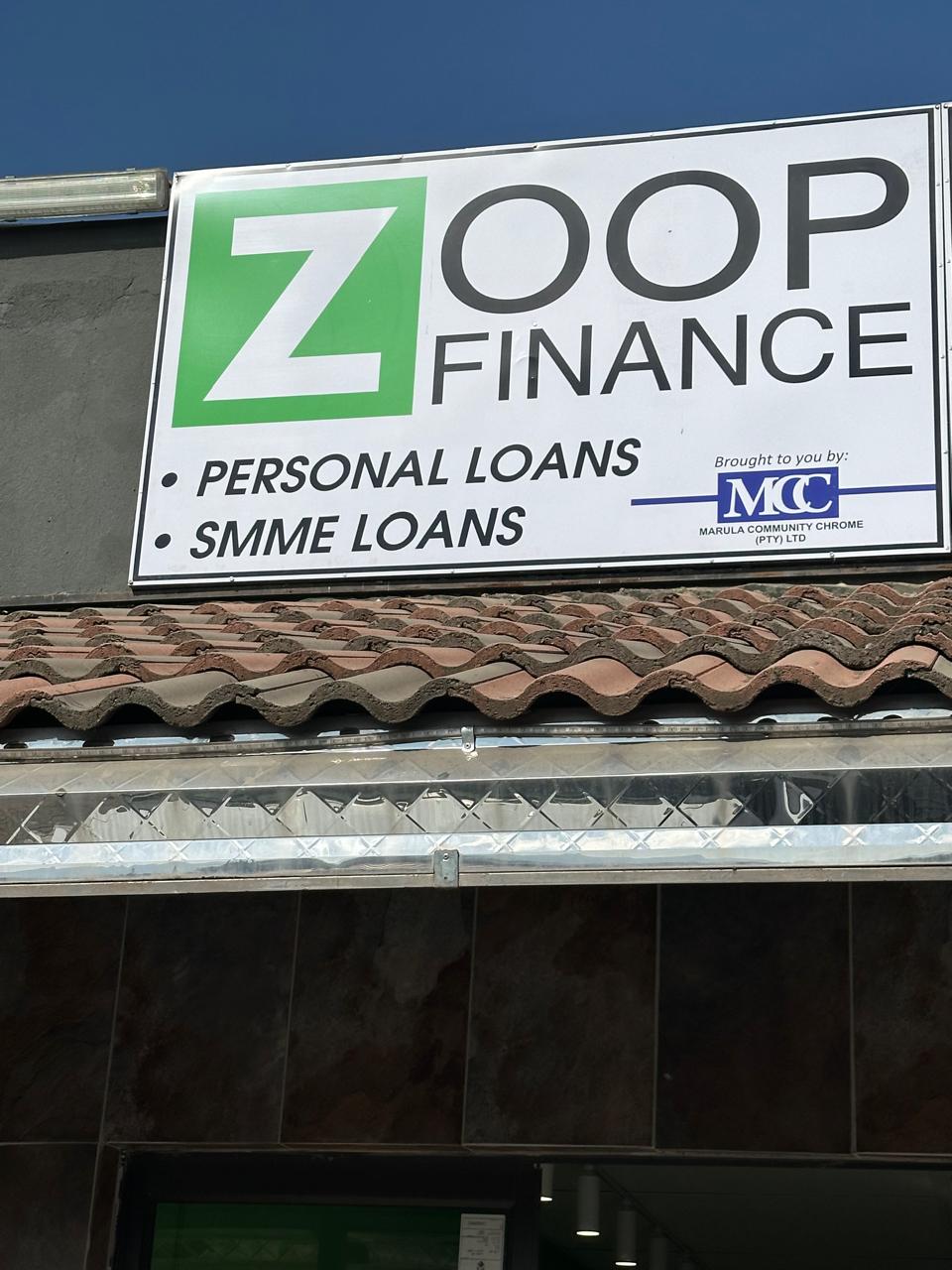
Sadly, though, the most common reason for failure among small businesses is cash flow, and when they do have financial difficulties, many of these businesses cannot access finance or alternative financing options. This is why MCC started the Small Business Loan Project. Working with an experienced lending institution, the project provides tailored loan solutions to help small and medium enterprises (SMEs) within the six local communities to survive and thrive.
Initially, the focus was on short-term funding for existing and established SMEs to help them achieve profitability. Over time, the project scope has been extended to include funding for new start-up enterprises who meet certain criteria. Before the funding is agreed, the lending institution conducts a robust assessment and verification process on the business, its leadership and the reason for the funding request to ensure that there is a reasonable chance of success.
To date, more than R8 million has been loaned to small businesses to assist with finance gaps and to help them fulfil contracts, among other things.
If an application is unsuccessful, the lending institution will offer advice and recommendations on how to improve the business plan so that future funding applications may be successful.
Also, small business owners often have a good business concept and an accessible market, but they lack the business skills needed to create a successful business, such as the ability to perform or understand basic accounting principles, operate computer software, or work within certain legislation. In this instance, the application may not be immediately declined but rather the business owner could be sent for training to learn the necessary skills before the application is reconsidered by the lending committee.